
Dreams about Judgment Day in Islam usually feel heavy and hard to forget.
They often come when you’re thinking deeply about your actions, your choices, or something you feel responsible for.
The imagery can be intense light, آواز, presence, but the real focus is the emotion behind it.
These dreams tend to show up during moments of guilt, reflection, or when you’re trying to realign your life with what you believe is right.

Beyond Moral Arithmetic: Unveiling Diverse Interpretations
While dreams of Judgment Day in Islam often evoke the image of a celestial court meticulously weighing good and bad deeds, it’s crucial to remember that interpretations are as diverse as the individuals experiencing them.
Your upbringing, spiritual practices, and cultural context within the rich tapestry of Islam will all shape your unique understanding of these dreams.
Mercy and Forgiveness: Beyond the Scales
While accountability is a crucial theme, dreams of Judgment Day can also resonate with the essence of divine mercy and forgiveness. Remember, Allah is the Just Judge and the Most Merciful.
These dreams might be nudging you towards seeking forgiveness, embracing compassion, and focusing on the transformative power of repentance.
From Symbols to Stories: Unraveling the Tapestry of Your Dream
The angels, trumpets, and scales are potent symbols, but the actual story lies in the specific details of your dream. Do you feel fear, acceptance, or even a sense of liberation? Are there unique events or interactions that unfold within the celestial courtroom?
These nuances offer deeper insights into the personal message your subconscious is sending.
Facing the Shadows: Addressing Anxieties and Fears
Dreams of Judgment Day can be unsettling. They might trigger anxieties about our choices, shortcomings, and the uncertainties of the hereafter. But instead of shying away from these emotions, embrace them as an opportunity for introspection and growth.
Use the dream as a mirror to confront your fears and guilt, and seek guidance from spiritual leaders or mentors to navigate these internal struggles.
From Dreams to Deeds: Integrating Insights into Waking Life
Dreams of Judgment Day aren’t mere celestial courtroom dramas; they’re potent catalysts for transformation. Use the insights from your dream to guide your actions in the waking world. Strengthen your faith, reach out to mend broken relationships, and actively contribute to your community.
Remember, every good deed becomes a testament to your character, a feather on the scales of your soul.
Beyond the Veil: Exploring Alternative Perspectives
While Islamic interpretations offer a rich framework for understanding these dreams, venturing into alternative perspectives can enrich your journey.
Explore Freudian analysis, Jungian archetypes, or even neurobiological explanations of dreaming. These diverse lenses can shed new light on the personal and universal meanings embedded within your dream.
The Ever-Evolving Tapestry: Recognizing Recurring Dreams
Dreams of Judgment Day might be a group event. They can evolve and recur over time, reflecting your spiritual growth, ongoing struggles, and changing anxieties.
Pay attention to how these dreams change, as they offer valuable insights into your long-term spiritual journey and the challenges you might be grappling with.
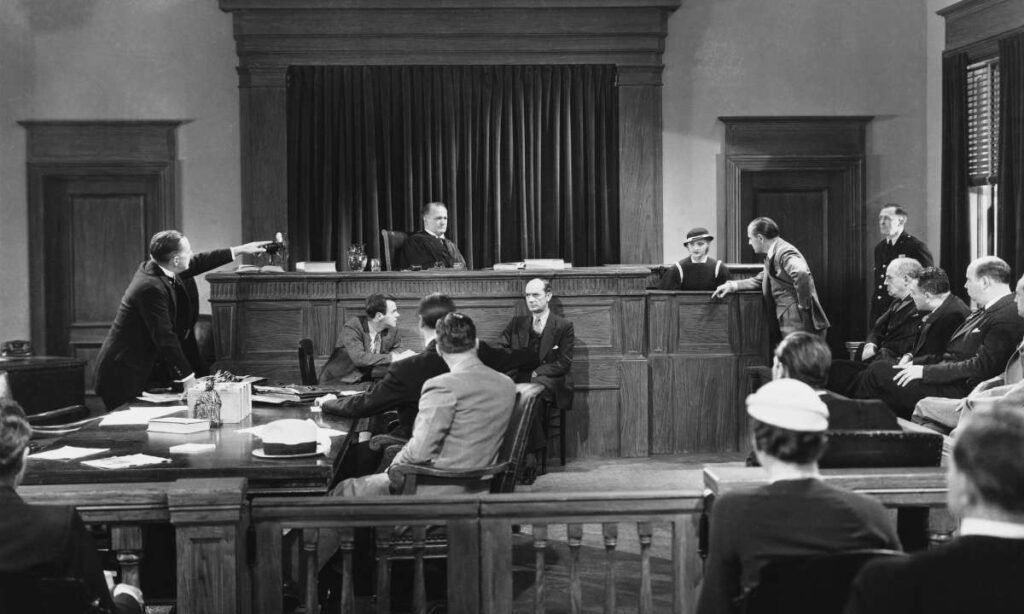
The Neuroscience of Judgment Day
Understanding the neurobiological processes involved in dreaming can offer a fascinating glimpse into why these visions appear. Activating brain areas associated with emotion, memory, and moral judgment might be at play, shaping your celestial courtroom’s imagery and emotional landscape.
From Dreams to Destiny: Embracing the Power of Action
Dreams about Judgment Day usually point to self-evaluation. Not religion, not prediction—more like your mind reviewing your choices in a harsh way.
They tend to show up when you’re under pressure, feeling judged, or carrying guilt about something you haven’t fully dealt with.
It’s your own inner voice turning the volume up on accountability.
Instead of treating it as a “message from above,” look at where in your life you’re being too hard on yourself—or avoiding responsibility you already know about.